In the modern workplace, the importance of ergonomics cannot be overstated. A study published by the Occupational Safety and Health Administration (OSHA) highlights that Musculoskeletal Disorders (MSDs) account for over 30% of workplace injuries. This underscores the need for employers to invest in ergonomic solutions, particularly ergonomic office chairs.
When considering which chairs to invest in, it’s crucial to ask: what are the essential features of ergonomic office chairs? Research indicates that adjustable seat height and lumbar support are vital for promoting proper posture. A chair that encourages movement can also reduce the risk of fatigue. Features such as breathable materials and mobility enhance comfort and productivity.
However, many office workers still settle for suboptimal seating solutions. A survey revealed that 50% of employees report discomfort due to inadequate seating. This gap highlights a critical area for improvement. Employers must prioritize ergonomics to foster a healthier work environment. The right office chair can make a significant difference in employee well-being and efficiency.
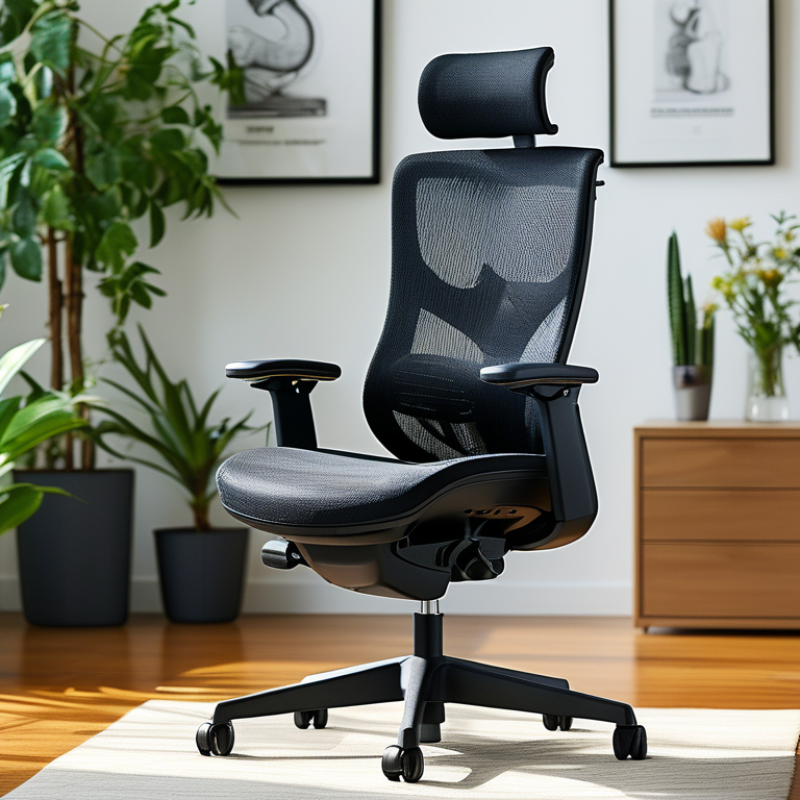
Choosing the right ergonomic office chair is vital for your comfort and health. These chairs promote proper posture and reduce strain on your body. Poor seating can lead to back pain and long-term health issues. An ergonomic chair supports your spine's natural curve and allows for adjustability. It is essential to invest time in finding the right one.
When selecting an ergonomic chair, look for adjustable features. Make sure the height, armrests, and lumbar support can be modified. A chair that fits your body reduces discomfort during long working hours. Remember, a good chair should support your lower back. You might also consider a chair with breathable material to keep you cool and comfortable.
Tips: Test the chair before buying. Sit in it for at least 15 minutes. Pay attention to how your body feels. Not all chairs will suit your body type. Be open to trying a few options to find the best fit. Additionally, take regular breaks to stand and stretch. Movement is crucial for overall well-being.
: Look for adjustable seat height and lumbar support. These features help customize comfort for different users.
It helps maintain proper spine alignment. This reduces the risk of discomfort during long working hours.
Consider breathable mesh or high-density foam. These materials promote airflow and provide firm yet comfortable support.
Sit in the chair for several minutes. Notice any pressure points that might lead to discomfort later.
Yes, they support your arms at a comfortable angle. Adjustable armrests help prevent shoulder strain.
Absolutely. Some prefer softer seats, while others like firmer options. Testing different chairs is crucial for personal fit.
No, each chair may not suit every body type. Personal evaluation is key for finding the right fit.
An ergonomic chair supports your spine's natural curve. Proper design reduces strain on the back and neck.
Too much padding can encourage poor posture. A balance is needed to support alignment without sinking too much.
Overlooking personal comfort can lead to long-term health issues. Taking time to evaluate your needs is essential.
When choosing an ergonomic office chair, understanding its significance is paramount for promoting good posture and health during long hours of work. Ergonomic chairs are designed to support the natural alignment of the body, reducing strain and discomfort. To determine what are the essential features of ergonomic office chairs, one should consider key aspects such as adjustability, which allows for a customized fit for various body types, and the materials used, which should offer adequate support and comfort.
Additionally, evaluating the chair's design is crucial for ensuring optimal posture. Elements such as lumbar support, seat depth, and height adjustability can greatly enhance comfort and reduce the risk of musculoskeletal issues. By focusing on these fundamental features, individuals can select an ergonomic chair that not only meets their specific needs but also contributes to a healthier work environment.

 Layanaa Furniture